
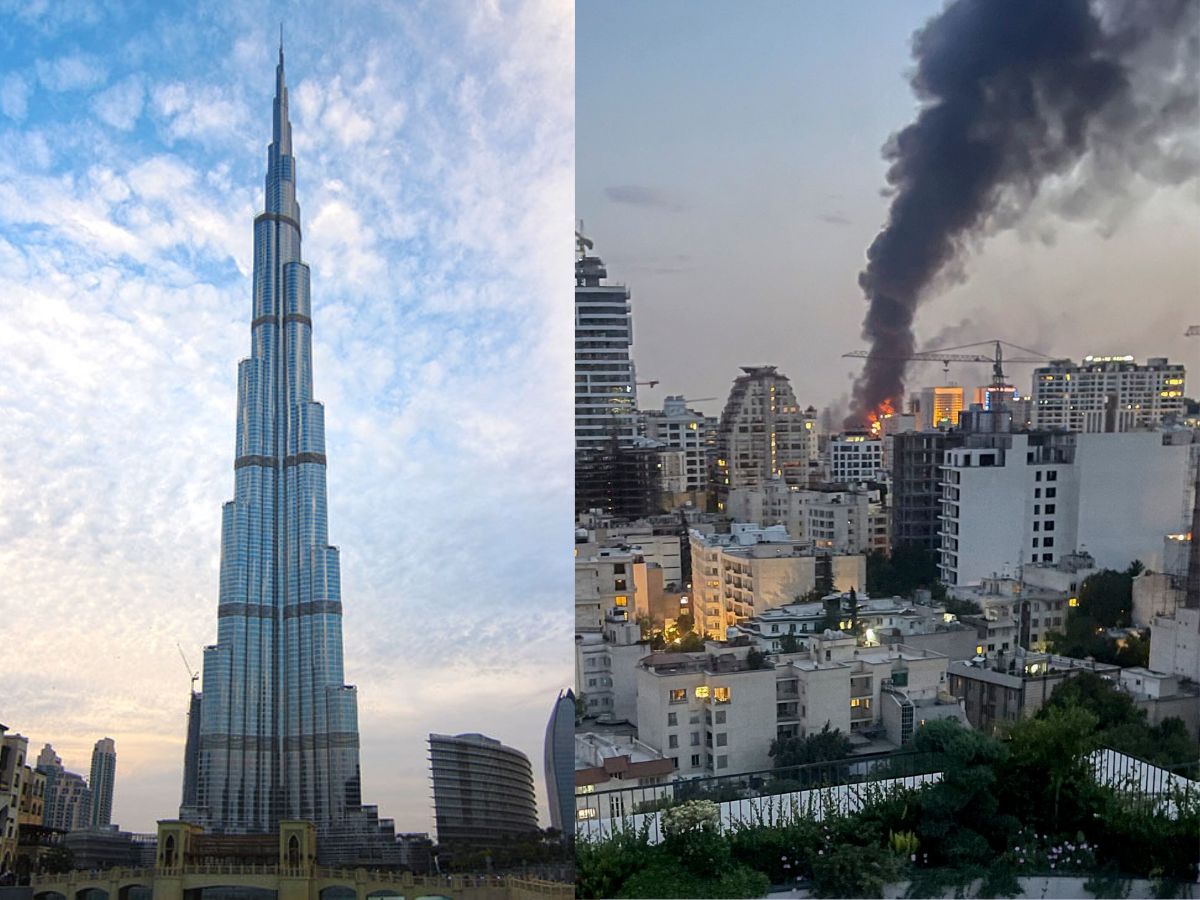
Burj Khalifa Security. The skyline of Dubai, anchored by the legendary Burj Khalifa, has long been a symbol of architectural ambition and global tourism.
However, following the dramatic events of February 28 and March 1, 2026, the security landscape for visitors has undergone a rapid and rigorous transformation.
With regional tensions leading to reported missile interceptions and precautionary evacuations of the world’s tallest building, the UAE authorities have implemented “Level 5” security protocols.
For anyone planning a visit to the “Vertical City,” understanding these new safety measures is no longer optional—it is a critical part of your travel itinerary.
1. The 2026 Security Shift: What Happened?
On February 28, 2026, the UAE Ministry of Defence confirmed the successful interception of several aerial threats over the emirate. As a direct result, the Burj Khalifa was temporarily evacuated to ensure the safety of thousands of tourists and residents.
While the tower remains structurally sound and has resumed limited operations, the incident triggered an immediate overhaul of visitor management. The current environment is one of “High Vigilance,” where security is visible, high-tech, and uncompromising.
2. New Entry Protocols: The “Airport-Plus” Experience
In 2026, entering the Burj Khalifa is more akin to clearing international customs than entering a standard tourist attraction.
Mandatory Document Verification
Every visitor, regardless of age or nationality, must present a valid original passport or a UAE Emirates ID. Digital copies or photos of IDs are no longer accepted for entry. This allows security to cross-reference guest lists with updated national safety databases in real-time.
Advanced Biometric Screening
The 2026 update introduced AI-driven biometric “on-the-fly” scanning. As you walk through the entry tunnels at the Dubai Mall lower ground level, facial recognition and thermal imaging cameras assess every visitor without requiring them to stop. This technology is designed to identify “anomalous behavior” and ensure that no person under an active security alert enters the premises.

3. The Prohibited Items List (2026 Update)
Security restrictions have tightened significantly. While basic items like pocket knives have always been banned, the new list includes:
- Professional Drones and Transmitters: Any device capable of remote flight or signal interference is strictly prohibited and may be confiscated by Dubai Police at the entrance.
- Large Opaque Containers: To speed up the screening process, visitors are encouraged to carry clear bags. All large backpacks must be checked into the complimentary luggage room on the ground floor.
- High-Intensity Lasers: Due to potential interference with the building’s new sensor arrays, laser pointers of any grade are banned.
4. Emergency Procedures: The “Shelter-in-Place” Protocol
Following the recent alerts, the Burj Khalifa management has refined its emergency response. Visitors should familiarize themselves with the “Green-Zone” system:
- Evacuation vs. Sheltering: Depending on the nature of a regional alert, visitors may be asked to shelter-in-place within the reinforced central core of the building rather than evacuating. The Burj Khalifa is designed as a “Life Safety” structure with pressurized air-conditioned refuge floors every 30 stories.
- Smart Alerts: If you are at the observation deck (“At The Top”), emergency instructions will be pushed directly to your smartphone via the Dubai Police “Stay Safe” app and broadcast over the tower’s internal PA system in five languages.
5. Transportation and Airspace Disruptions
Security at the Burj Khalifa is deeply connected to Dubai International Airport (DXB). During active security alerts:
- Metro Closures: The Burj Khalifa/Dubai Mall Metro station may be temporarily bypassed to manage crowd density.
- Drone/Fireworks Suspension: The nightly fountain shows and any planned drone displays are subject to immediate cancellation if airspace security levels are raised.
- Road Cordoning: Dubai Police frequently implement “Ring Security” around Downtown Dubai, which may limit taxi and Uber access to the Burj Khalifa’s main entrance.
6. Tips for a Stress-Free Visit in 2026
Despite the heightened security, the experience remains breathtaking. To ensure a smooth visit:
- Arrive 90 Minutes Early: The new screening processes can add 30–45 minutes to your transit time from the ticket counter to the elevators.
- Download Official Apps: Install the Smart UAE and Dubai Police apps. They provide real-time push notifications regarding building status and local safety.
- Monitor Travel Advisories: Check the latest updates from your home country’s embassy (e.g., U.S. State Department or UK Foreign Office) as they provide specific guidance for their citizens in Dubai.
Conclusion
The Burj Khalifa remains an icon of human achievement, and its security measures in 2026 are a testament to the UAE’s commitment to safety. While the sight of increased police presence and advanced scanners may be sobering, they are the very tools that allow this landmark to remain open to the world. By staying informed and following the new protocols, you can enjoy the “Top of the World” with peace of mind.