

How to Track HomeGoods Online Inventory for the Best Finds. If you’re trying to track HomeGoods online inventory in 2026, you may have hit a confusing reality: HomeGoods no longer maintains an online store where you can browse and buy products.
After launching ecommerce in 2021, the brand shut down online shopping in October 2023 to focus on its in‑store “treasure hunt” experience.
But here’s the key: That doesn’t mean you can’t use digital strategies to stay ahead of the crowds and find the best products HomeGoods carries — either by planning visits, checking sister retailer sites, or tracking similar inventory online.
This detailed guide will teach you everything you need to know to track HomeGoods inventory — directly and indirectly — to maximize your chances of great finds, save time, and shop strategically.
You’ll learn:
- Why HomeGoods doesn’t have real online inventory (and what that means for you)
- Digital strategies that do help you track inventory trends
- How to use mobile apps, newsletters, and social media for inventory clues
- How to work with sister‑brand online inventories like Marshalls and TJ Maxx
- Community and crowd‑sourcing tactics
- Smart calling, timing, and restock strategies
- Mistakes to avoid
Let’s dive in.
Why You Can’t Track HomeGoods Online Inventory Directly
The first and most important fact: HomeGoods stopped offering online shopping after October 21, 2023. Orders placed before that date were fulfilled, but no new purchases can be made on HomeGoods.com.
Instead, HomeGoods positions its website as a design inspiration and store‑locator platform, not an ecommerce platform. You can browse ideas and find store locations — but you cannot view live inventory, add products to a cart, or see stock levels online.
This means:
- There’s no official live inventory feed or online catalog to track.
- You cannot see real‑time product availability on HomeGoods.com.
- Online inventory alerts (like you’d find on Amazon or Target) don’t exist.
So what’s a savvy shopper to do? Fortunately, there are effective workarounds that leverage digital tools, realistic expectations, and creativity.
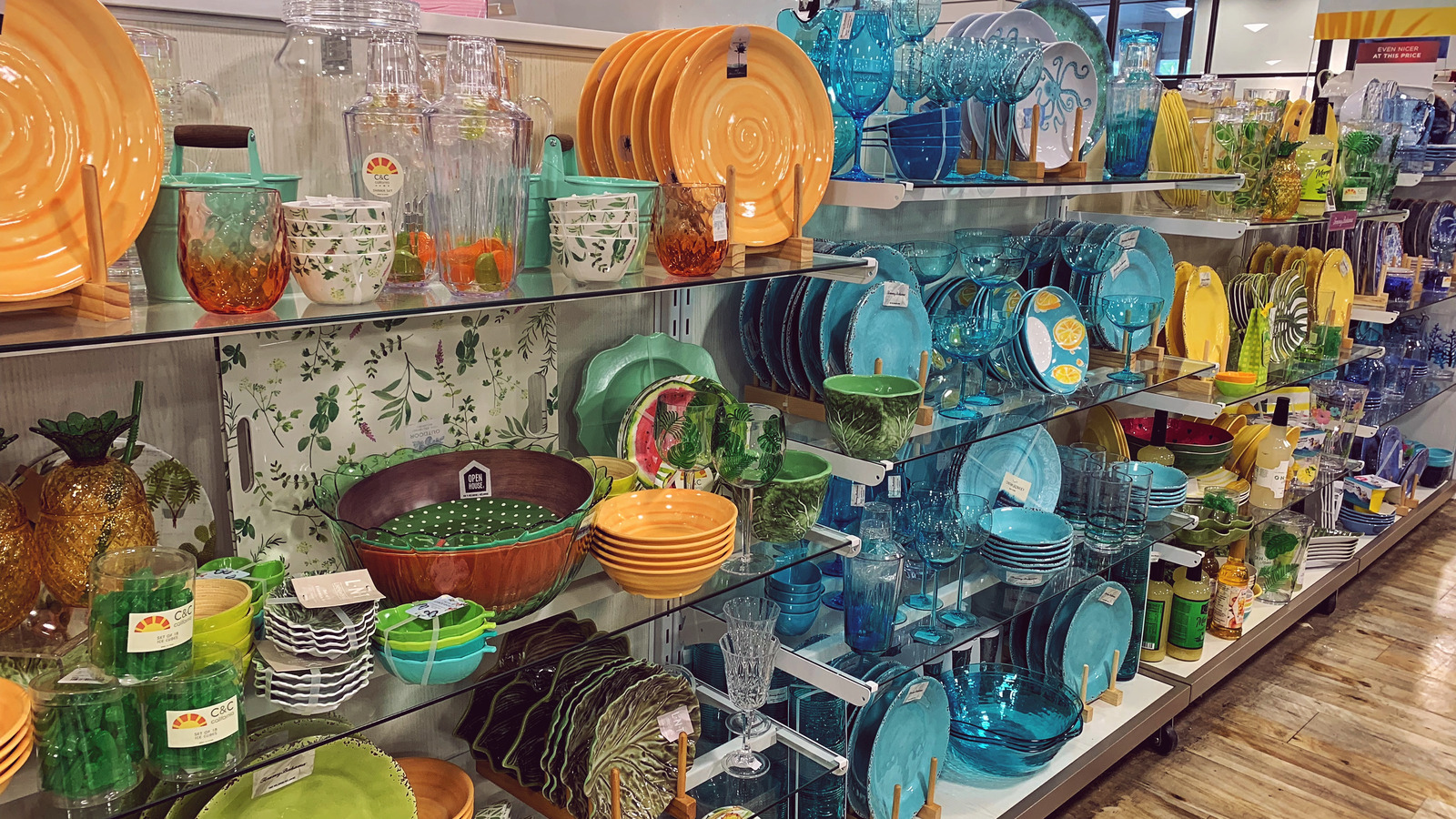
1. Use Inspiration Tools to Scout Trends and Plan Visits
Even though you can’t see stock on HomeGoods.com, you can still use the website for planning. The inspiration galleries, trend highlights, and decor guides give you insight into:
- product types that are popular
- seasonal themes you might soon see in stores
- styling ideas that can guide your shopping missions
Think of it as an online catalog for inspiration, helping you prepare a wish list before your in‑store visits.
This digital preparation saves time and helps you visualize product combinations so you don’t wander aimlessly once you’re inside a store.
2. Use Related Retailer Sites for Inventory Clues
HomeGoods is part of the TJX Companies family, which includes Marshalls, TJ Maxx, Sierra, and HomeSense. These sister stores do offer online shopping and often carry products very similar to what HomeGoods stocks.
Here’s how to leverage this:
Browse Marshalls and TJ Maxx Online
- Marshalls.com and TJMaxx.com both have home décor, furniture, kitchenware, rugs, and accessories.
- Many items you find online at Marshalls or TJ Maxx are the same brands or product lines that eventually appear in HomeGoods stores.
- While you won’t track HomeGoods inventory, you can track TJX inventory trends — which often foreshadow what will show up at HomeGoods.
Online browsing patterns (searching by category, price, and style) give you a sense of what’s trending and what kinds of furniture, decor, and kitchen items the TJX supply chain is pushing. That indirectly increases your chances of recognizing or hunting those products in HomeGoods stores.
3. Use the HomeGoods Mobile App to Stay Organized
While the HomeGoods app doesn’t show inventory for purchase, many users have noted some ways to use it:
- Check the app early in the morning, when stores often show newly updated stock.
- Use location filters to search multiple stores nearby.
- Take screenshots of styles you want — because even if the app doesn’t let you shop online, screenshots can help store associates identify similar items in stock.
Tip: Pair the app with your in‑store strategy — think of the app as your note taker for finds you want to scout later in person.
4. Follow Social Media and Hashtags for Real‑World Finds
In the absence of direct online inventory, one of the most powerful tools is real customers sharing their discoveries online. Platforms like Instagram, TikTok, Pinterest, and Reddit are full of:
- #HomeGoodsFinds posts
- Seasonal haul videos
- Decor inspiration with product tags or store locations
- Community discussions of recent stock
These user‑generated posts give you a real‑time look at what’s currently appearing in stores across the country. You can:
- Search hashtags like #HomeGoodsFinds to see recent inventory shared by other shoppers.
- Follow influential home décor accounts that spotlight their HomeGoods hauls.
- Join groups on Reddit and Facebook where people share specific finds and prices.
Why this works: Even though HomeGoods doesn’t publish inventory feeds, shoppers effectively become inventory reporters — giving you a proxy view of new arrivals.
5. Track Sister Store Inventory with Online Alerts
Sites like Marshalls and TJ Maxx often allow:
- Search filters by category
- Email lists with promotions
- Personalized wish lists
Although these don’t tell you what’s at HomeGoods, they show what’s moving through the TJX supply chain. When certain décor pieces, kitchen gadgets, or small furniture items start popping up in online listings, it can indicate that similar items might soon arrive at HomeGoods stores.
Some strategies include:
- Setting up wish lists on TJ Maxx or Marshalls and checking them regularly
- Signing up for email alerts when new items are listed or go on sale
- Using browser extensions or deal sites that notify you when items drop below a target price
This provides context you can use when planning store visits.
6. Leverage Community and Store Staff Knowledge
One of the most under‑utilized inventory tracking strategies is talking to human beings — specifically store staff.
According to some shoppers and staff reports:
- Managers and seasoned associates may know approximate days when shipments arrive.
- Some stores restock several times per week — often Monday through Friday, with specific peaks on certain days like Wednesday or Friday.
- Calling the store and asking whether a particular item or category has recently arrived can give you a real‑time snapshot of stock without having to make a trip.
Best practices when calling:
- Call early in the morning after the store opens.
- Ask for the “home décor coordinator” or someone in that department.
- Be specific about the item type you’re looking for.
Keep in mind that employees are not inventory scanners — they may not have access to detailed real‑time systems — but they do know shipment days and what’s showing up on shelves.
7. Frequent Store Visits at the Right Times
Because HomeGoods inventory changes constantly, physical presence combined with timing is one of your best inventory‑tracking tools.
Experienced HomeGoods shoppers suggest:
- Visiting early in the week and early in the morning — when new inventory usually hits shelves after weekend restocking.
- Avoiding busy weekend afternoons if you want the first look at fresh products.
- Going to stores multiple times per week — regular visits reveal cycles and patterns.
This approach treats inventory tracking as fieldwork, not web browsing.
8. Track Seasonal Shifts and Product Waves
HomeGoods inventory tends to have seasonal patterns:
- Holiday décor appears weeks or months ahead of the season.
- Spring and summer products arrive earlier in the year, fall and Halloween items mid‑year, and holiday items later.
Because HomeGoods sources globally and stocks opportunistically, you can often guess what kinds of items will arrive next by watching seasonal trends on sister sites or décor blogs.
This calendar‑based tracking helps you plan:
- When to expect outdoor furniture or patio décor
- When fall and Halloween inventory begins arriving
- When holiday items start showing up
By aligning your visits with these waves, you maximize your chance of finding seasonally relevant inventory.
9. Crowd‑Source Inventory Tracking via Online Communities
Online forums and discussion boards are not just inspiration — they’re active inventory trackers. Reddit threads, Facebook groups, and decor forums often share:
- Recent store finds with photos
- Locations where specific items were spotted
- Price tags or SKU numbers that help you search otherwise unseen products
- Tips on whereabouts of specific products across store regions
While this isn’t “official” inventory tracking, it’s real people posting real store sightings, which often gives better insight than any retailer website can offer.
Using community posts, you can:
- Search keywords for product name + store city
- Ask group members if they’ve seen a specific item
- Share your own findings to help others and build goodwill
10. Combine Online Inspiration With Local Store Planning
Because HomeGoods no longer directly shows inventory online, the key isn’t to chase unattainable online stock lists but to use online tools to make your in‑store visits more effective. Here’s a synthesis approach:
- Browse sister store online catalogs (Marshalls, TJ Maxx) for mood boards and item types.
- Follow social apps and hashtags for real‑time finds nationwide.
- Check HomeGoods’ own website for trend inspiration.
- Call ahead for shipment timing or to inquire about categories.
- Visit stores strategically based on restock patterns.
- Use crowd wisdom from Reddit, Facebook, and Instagram groups.
Treat tracking like a scavenger hunt, not an online checkout process — and you’ll find more items you love before anyone else does.
11. Tips to Optimize the Treasure Hunt Experience
Tracking inventory — even indirectly — can be fun and rewarding. Here are tips from seasoned treasure hunters:
Know What You Want
Create a list of categories or specific items (pillows, lighting, frames) so you can focus your search efficiently.
Take Pics in Store
If you find similar styles once, take photos — it helps identify trends when comparing across visits.
Check Multiple Locations
Stores in different areas often have different inventory and restock at different times. Don’t limit yourself to one location.
Visit Often
Inventory changes fast. Frequent visits improve your chances of spotting great finds.
What Won’t Work When Trying to Track HomeGoods Online Inventory
Be aware that certain approaches simply won’t yield results:
- Expecting a searchable HomeGoods product database online
- Using classic ecommerce tools like “available in stock at my store” queries
- Expecting real‑time online stock updates
These features exist for traditional retailers, but HomeGoods deliberately retains unpredictability as part of its brand identity — the treasure hunt experience that keeps customers visiting physical stores.
Conclusion: Track Smart, Shop Strategically
Tracking HomeGoods online inventory isn’t about checking a live database — it’s about using digital tools and offline tactics together to predict, plan, and act fast when items arrive. In an era where HomeGoods no longer sells online, the smartest shoppers are those who:
- Use sister brands’ online catalogs for trend signals
- Follow social media and community groups for real‑time finds
- Call stores for restock intel
- Visit stores with timing and purpose
- Share and crowd‑source insights with other shoppers
Shopping HomeGoods is a treasure hunt by nature — and now you have the roadmap to make that hunt more efficient, exciting, and rewarding.