

Top Climate-Tech Ideas Winning Investor Funding in 2026, The investment landscape has shifted dramatically as we move through the second quarter of 2026. While early climate-tech funding often focused on speculative software, today’s venture capitalists are pouring billions into “hard tech” solutions with measurable decarbonization impact.
Investors are no longer just looking for green alternatives; they are hunting for technologies that integrate seamlessly into existing industrial infrastructures.
Furthermore, the convergence of artificial intelligence and environmental science has created a new class of high-growth startups. Understanding where the capital is flowing reveals the technologies that will define our global economy over the next decade.
The Strategic Reinvention of the Modern Power Grid
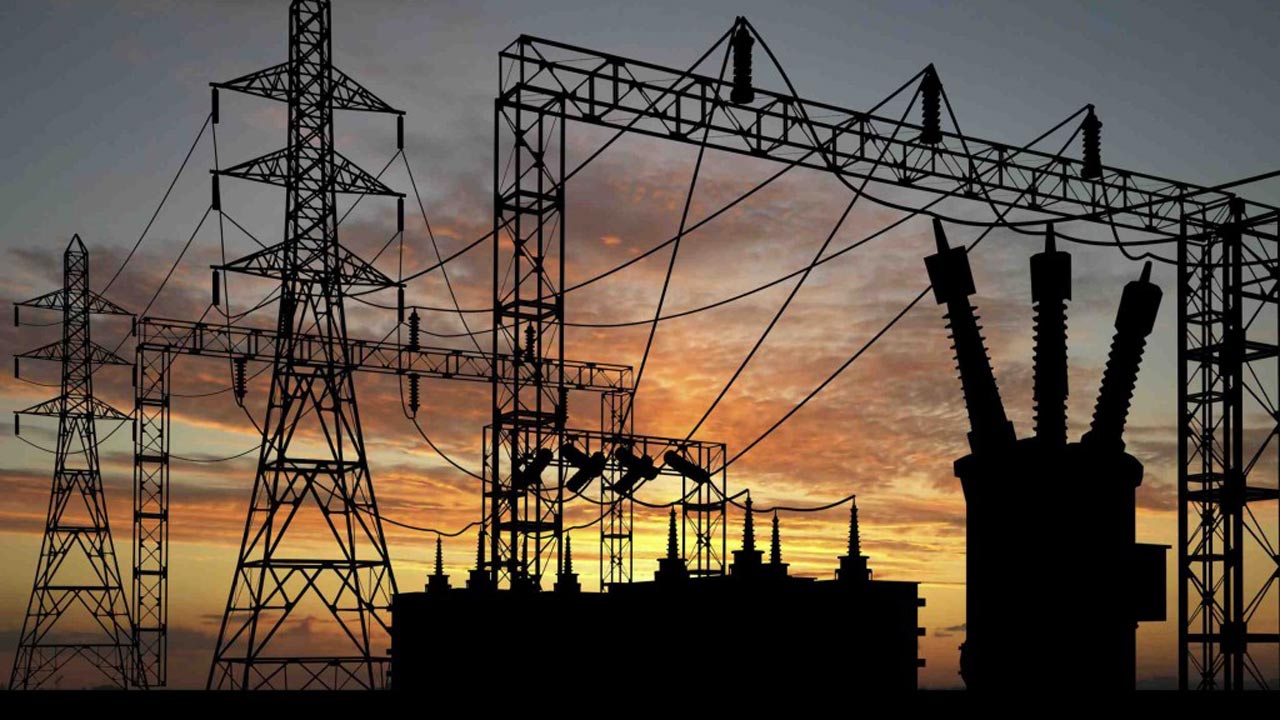
Grid resilience has become the top priority for institutional investors as electricity demand spikes from AI data centers and electric vehicle fleets. In 2026, the traditional power grid faces unprecedented stress, leading to a surge in funding for “smart grid” technologies. Investors are particularly focused on AI-driven load management systems that can predict demand surges in real-time. Furthermore, these platforms allow utilities to balance intermittent renewable sources like wind and solar with traditional power. In addition, startups that offer decentralized energy management are seeing record-breaking Series B and C rounds.
What’s interesting is that the “brain” of the grid is now just as valuable as the physical wires themselves. Modern investors are backing companies that use machine learning to optimize when and where stored energy is deployed. Furthermore, this technology reduces the need for expensive and environmentally taxing peaker plants. In addition, the integration of distributed energy resources, such as home batteries and EV chargers, into a cohesive network is a major funding magnet. This shift toward a flexible, software-defined grid ensures that renewable energy is never wasted during low-demand periods.
- Startups developing AI-based demand forecasting are securing massive contracts with national utilities.
- Virtual Power Plants (VPPs) are gaining traction by aggregating thousands of small energy assets into a single resource.
- Cybersecurity for electrical infrastructure is seeing a specialized wave of investment to protect against digital threats.
- Grid-scale energy storage software is becoming a required layer for any new large-scale renewable project.
- Companies focused on hardware for high-voltage direct current (HVDC) transmission are receiving substantial government-backed funding.
Breakthroughs in Long-Duration Storage and Solid-State Batteries
The race for the “next-generation” battery is reaching a fever pitch in mid-2026 as lithium-ion reaches its practical limits. Venture capital is now flowing toward alternatives that move beyond rare earth minerals, such as sodium-ion and iron-air batteries. These technologies promise to be cheaper and more sustainable to produce at a massive scale. Furthermore, investors are betting heavily on solid-state battery startups that promise to eliminate the fire risks associated with traditional liquid electrolytes. In addition, these batteries could double the range of electric vehicles, making them a holy grail for the automotive sector.
Long-duration energy storage (LDES) is another massive category winning significant funding this year. While lithium batteries handle short bursts of energy, LDES systems can store power for days or even weeks. What’s interesting is that these systems often use mechanical or thermal methods, such as liquid air or heated sand, to store energy. Furthermore, this capability is essential for managing the seasonal variability of renewable energy sources. In addition, the ability to provide “baseload” renewable power makes these companies attractive to infrastructure funds looking for long-term stability.
Commercializing Carbon Capture and Industrial Decarbonization
Carbon capture, utilization, and storage (CCUS) has transitioned from a theoretical concept to a commercial reality in 2026. Heavy industries like cement and steel production are now the primary targets for these high-cap startups. Investors are backing modular carbon capture units that can be retrofitted onto existing factories with minimal downtime. Furthermore, the focus has shifted from just “capturing” carbon to finding profitable ways to use it. In addition, startups that turn captured CO2 into sustainable aviation fuel or building materials are seeing rapid growth.
What’s interesting is the rise of Direct Air Capture (DAC) facilities that can pull CO2 directly from the atmosphere at scale. While still expensive, the cost per ton is falling fast thanks to new liquid solvent and solid sorbent technologies. Furthermore, large tech corporations are pre-purchasing carbon removal credits to meet their 2030 net-zero goals. In addition, the development of “Carbon Hubs” where multiple companies share transportation and storage infrastructure is attracting large-scale project finance. This ecosystem approach reduces the individual risk for investors while maximizing the total environmental impact.
- Modular capture units are being deployed at small and medium-sized industrial plants across Europe and North America.
- E-fuels produced from captured carbon are becoming a viable alternative for the maritime and aviation sectors.
- Startups creating carbon-negative concrete are winning major contracts in the sustainable construction market.
- Standardized monitoring, reporting, and verification (MRV) platforms are receiving funding to bring transparency to carbon markets.
- Nature-based solutions are being enhanced with high-tech sensing tools to prove their long-term carbon sequestration capabilities.
The Scaling of Green Hydrogen and Low-Carbon Feedstocks
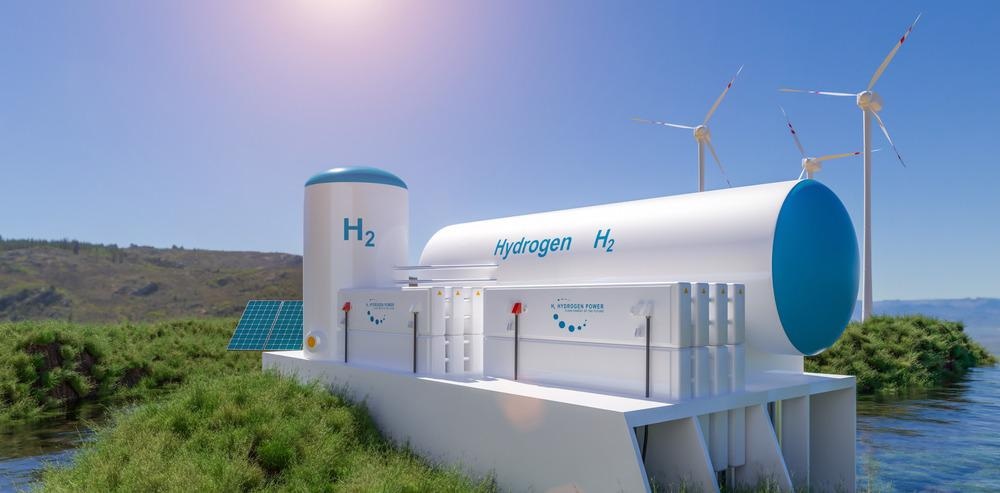
Green hydrogen has finally entered its “implementation phase” in 2026, moving beyond pilots and into full-scale industrial use. Investors are prioritizing startups that specialize in high-efficiency electrolyzers, particularly those using proton exchange membranes (PEM). These devices use renewable electricity to split water into hydrogen and oxygen with zero emissions. Furthermore, the falling cost of solar and wind energy has made green hydrogen a competitive feedstock for the chemical industry. In addition, the development of hydrogen-ready pipelines is creating a new infrastructure asset class for private equity.
What’s interesting is that green hydrogen is now being viewed as a strategic energy security asset. Governments are providing massive subsidies that act as a “floor” for private investment in this space. Furthermore, startups focused on hydrogen storage and transport, such as ammonia-based carriers, are solving the logistics puzzle. In addition, the heavy-duty trucking industry is starting to adopt hydrogen fuel cells for long-haul routes where batteries are too heavy. This multi-sector demand ensures that green hydrogen startups have a diverse range of potential customers from day one.
Circular Economy Solutions and Waste-to-Resource Tech
The concept of a “circular economy” is being digitized and scaled in 2026 through advanced AI and robotics. Investors are funding startups that use computer vision to automate the sorting of complex waste streams at light speed. Furthermore, these companies are turning landfill-bound trash into high-value raw materials for manufacturing. In addition, chemical recycling startups that can break down “unrecyclable” plastics into their original molecular building blocks are seeing significant interest. This technology allows for an infinite loop of plastic use, reducing the need for virgin fossil fuel inputs.
What’s interesting is that many brands are now willing to pay a premium for “traceable” recycled materials. Startups that use blockchain or digital watermarks to track the lifecycle of a product are winning investor confidence. Furthermore, this transparency helps companies comply with increasingly strict environmental regulations across the globe. In addition, the rise of “as-a-service” business models for physical goods is encouraging better product durability and repairability. By aligning environmental goals with supply chain security, circular economy startups are proving to be resilient against market volatility.
- AI-powered waste sorting robots are drastically reducing the contamination levels in municipal recycling programs.
- Bio-based packaging startups are replacing single-use plastics with materials made from seaweed and agricultural waste.
- Textile recycling technologies are allowing the fashion industry to turn old garments into high-quality new threads.
- Urban mining companies are recovering precious metals from electronic waste with significantly lower energy requirements.
- Startups focusing on the “Right to Repair” are creating digital platforms for spare parts and localized repair networks.