
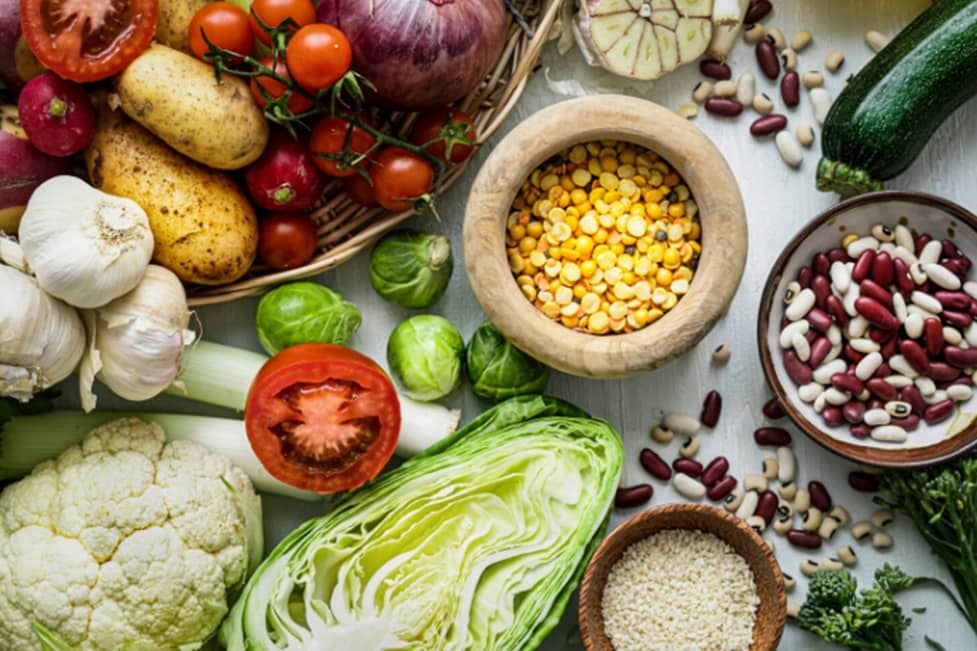
Fibermaxxing. For nearly a decade, protein has been the undisputed king of the dinner plate. From “protein-maxxing” to the 2026 update in federal guidelines that raised the minimum to 1.2 g/kg, the message was clear: more is better.
But as we move further into 2026, a new nutritional heavyweight has emerged to challenge the throne.
Welcome to the era of Fibermaxxing.
The 2026 wellness landscape is shifting from a focus on “building muscle” to “nurturing the microbiome.” While protein remains essential for repair, fiber is now recognized as the master regulator of metabolic health, mental clarity, and long-term satiety.
Here is why fiber is officially dethroning protein as the most talked-about macronutrient of the year.
What is Fibermaxxing?
Fibermaxxing is the intentional, high-volume consumption of dietary fiber—often exceeding 40 to 50 grams per day—to optimize gut biodiversity and metabolic function. Unlike the “rabbit food” diets of the past, Fibermaxxing in 2026 is a sophisticated strategy involving resistant starches, prebiotic diversity, and fermented fiber blends.
The trend has gained viral momentum due to a simple realization: while 70% of Americans are now meeting their protein goals, 95% are still failing to meet the basic fiber requirements of 25–38 grams. In 2026, the “fiber gap” is being treated as a public health crisis on par with vitamin D deficiency.

1. The GLP-1 Effect: “Nature’s Wegovy”
The biggest driver of Fibermaxxing in 2026 is the mainstream understanding of GLP-1 (Glucagon-like Peptide-1). While millions have turned to injectable medications for weight loss, nutritional science has highlighted that fiber is the primary trigger for the body’s natural production of this hormone.
How Fiber Mimics the “Skinny Shot”
When you consume fermentable fibers (found in oats, beans, and seeds), your gut bacteria produce Short-Chain Fatty Acids (SCFAs) like butyrate. These SCFAs bind to receptors in the L-cells of your gut, which then release GLP-1. This process:
- Slows Gastric Emptying: Keeping you physically full for hours.
- Signals the Brain: Telling the hypothalamus to shut off “food noise.”
- Stabilizes Insulin: Preventing the blood sugar spikes that lead to fat storage.
In 2026, many are using Fibermaxxing as a “step-down” or “support” protocol for weight-loss medications, earning fiber the nickname “Nature’s Wegovy.”
2. The Gut-Brain Axis: Mood Over Muscle
In 2025, we focused on how protein built our bodies. In 2026, we are focused on how fiber builds our minds.
The Gut-Brain Axis is no longer a niche theory; it is at the center of psychiatric nutrition. Roughly 95% of the body’s serotonin is produced in the gut. Fibermaxxing provides the “fuel” for the specific bacteria responsible for synthesizing neurotransmitters.
- The “High-Fiber High”: Users of the Fibermaxxing protocol report lower levels of anxiety and “brain fog.”
- Systemic Inflammation: By strengthening the gut barrier, high fiber intake prevents “leaky gut,” a condition now linked to chronic neuro-inflammation and depression.
3. Satiety: Why Protein Isn’t Enough
For years, the “Protein First” mantra was based on the fact that protein is the most satiating macronutrient. However, 2026 research has added a caveat: Protein creates “intensity” of fullness, but fiber creates “duration” of fullness.
The Satiety Stack
A meal high in protein but low in fiber (like a steak) might make you feel full immediately, but that feeling fades quickly as the protein is digested. A “Fibermaxxing” meal (like a lentil-based steak bowl) uses insoluble fiber to provide physical bulk and soluble fiber to create a gel-like substance that keeps you satisfied until your next meal.
The 2026 standard for weight management is the “1:1 Ratio”—for every 1 gram of protein you eat, you should aim for 1 gram of fiber.
4. The “Diversity 30” Challenge
Fibermaxxing isn’t just about eating a bowl of bran; it’s about microbial diversity. The viral “Diversity 30” challenge of 2026 encourages individuals to eat 30 different plant species per week.
This includes:
- Seeds & Nuts: Chia, flax, hemp, and walnuts.
- Legumes: Lentils, chickpeas, and black beans.
- Ancient Grains: Millet, sorghum, and teff.
- Herbs & Spices: Which count toward your “plant points.”
This diversity ensures that you are feeding a wide range of bacterial strains, creating a “resilient” gut that can better handle illness, stress, and environmental toxins.
How to Start Fibermaxxing (Without the Bloat)
If you go from 15g to 50g of fiber overnight, you will experience what 2026 influencers call the “Fiber Flush”—severe bloating and discomfort. To Fibermaxx correctly, follow the Slow-and-Flow rule:
- Add 5g per week: Slowly increase your intake to let your microbiome adapt.
- Hydration is Non-Negotiable: Fiber acts like a sponge. Without adequate water, it can cause constipation. Aim for an extra 8oz of water for every 10g of fiber added.
- Sprout Your Grains: In 2026, sprouted and fermented grains are preferred as they are “pre-digested,” making the high fiber content easier on the stomach.
Conclusion
While protein will always have its place in the fitness world, 2026 is the Year of the Fiber. By focusing on Fibermaxxing, we are moving beyond the mirror and into the microscopic world of our gut. It is a shift from “looking strong” to “being metabolically invincible.”
The king is dead; long live the fiber.